
Clinical Evidence
Explore the clinical evidence behind Autism I-Track and discover how years of research and validation support objective eye-tracking technology in autism assessment.
Evidence Overview
Supporting Clinical Confidence Through Evidence

Clinical Validation
Why Clinical Evidence Matters
Clinical evidence is at the core of Autism I-Track. Built on years of scientific research and clinical validation, our platform provides objective eye-tracking measurements that support clinicians with reliable, evidence-based insights while continuously evolving through ongoing research and real-world application.
Objective Measurements
Evidence-Based
Clinician Support
Continuous Validation
Validation Journey
Clinical Validation Process
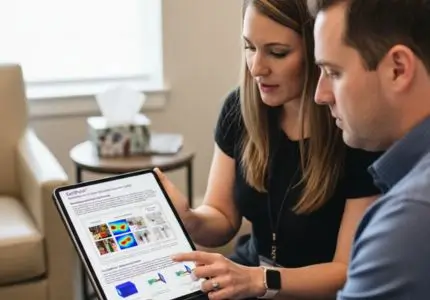
Our journey began with extensive scientific research to better understand gaze behavior and develop objective methods for autism assessment.
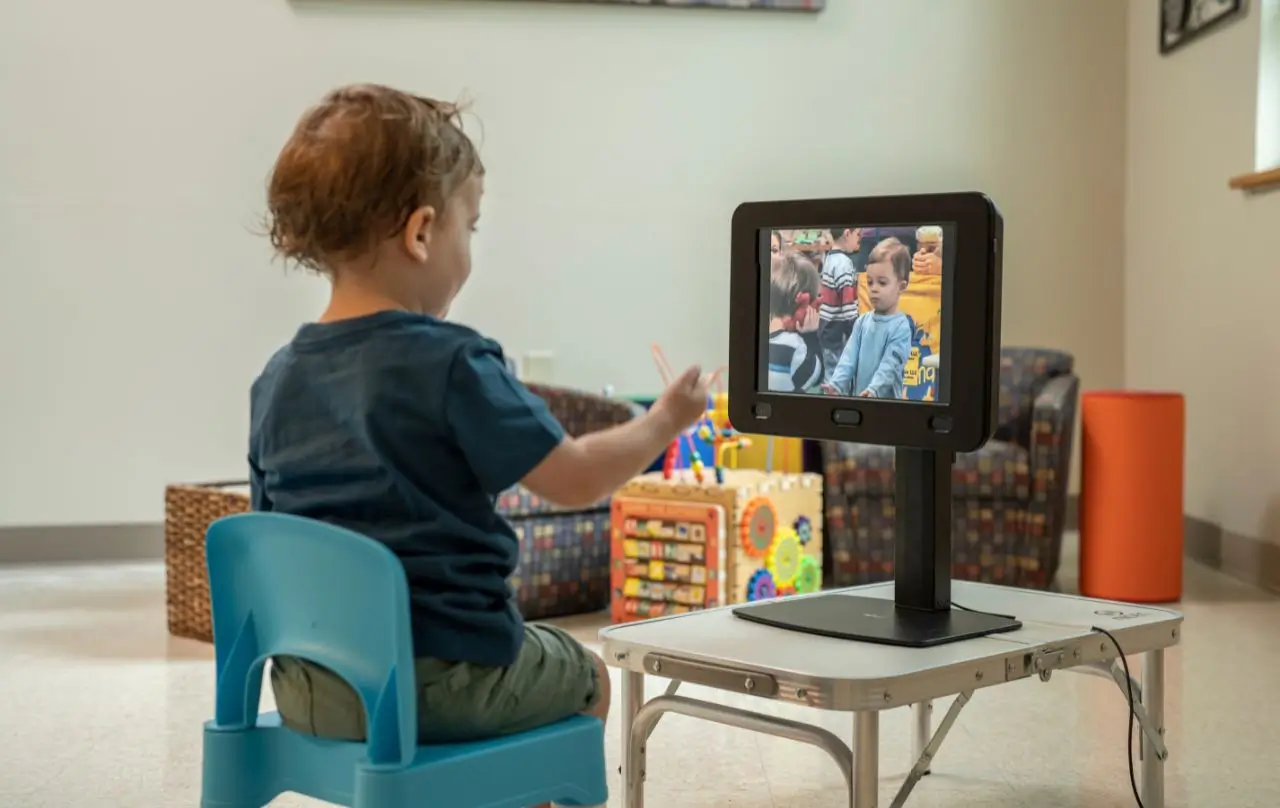
Initial studies evaluated the platform's feasibility, usability, and performance, providing the foundation for further development.

The technology was assessed through clinical studies to evaluate its effectiveness and support its use in autism assessment.

The platform has been demonstrated in clinical, research, and international settings, supporting its practical application and continuous improvement.
Performance & Impact
Clinical Performance
Multiple Validation Studies
Evaluated through multiple research and validation studies to assess performance, reliability, and clinical applicability.
Peer-Reviewed Publications
Supported by scientific publications that contribute to the growing body of evidence for eye-tracking technology in autism assessment.
International Demonstrations
Presented at leading international conferences, healthcare events, and research forums to engage with the global scientific and clinical community.
Clinical Deployments
Designed for implementation across clinical, research, and healthcare environments to support objective autism assessment.
Visual Evidence
Evidence Gallery
Explore Autism I-Track in action through images showcasing clinical assessments, research activities, technology demonstrations, and international engagement. These moments reflect our commitment to advancing autism assessment through scientific research, innovation, and real-world application.




Scientific Evidence
Research & Publications
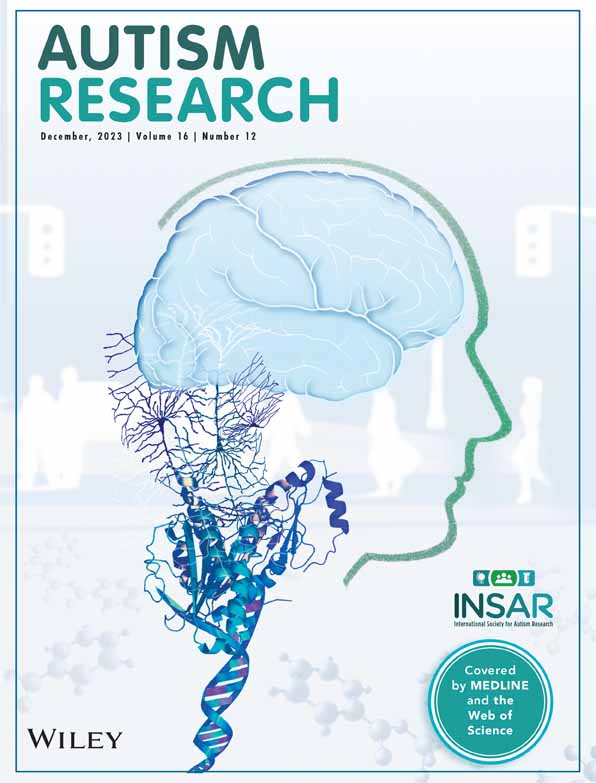
Development and Validation of an Arabic Language Eye-Tracking Paradigm for the Early Screening and Diagnosis of Autism Spectrum Disorders in Qatar
Published in: Autism Research

Real-World Application of an Eye-Tracking Device for Autism Screening and Diagnosis: A Short Report from Public Demonstrations in Qatar, Dubai and the U.S.
Authors: Al-Shaban, F., Frazier, T. W., Ghazal, I., et al. (2026)
Published in: BMC Psychiatry
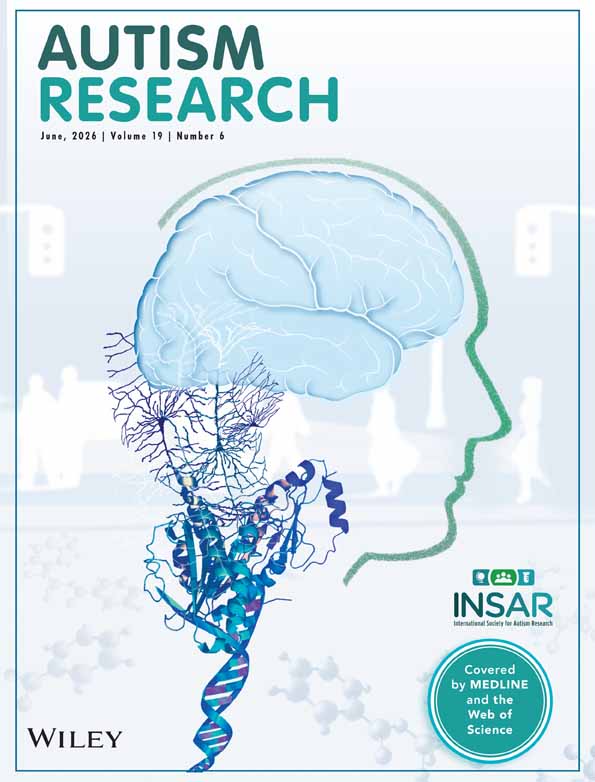
Development and Validation of a Short Version Eye-Tracking Paradigm for the Screening and Diagnosis of Autism Spectrum Disorder in Qatar
Authors: Alshaban, F.A., Ghazal, I., et al. (2026)
Published in: Autism Research
Social Attention as a Cross-Cultural Transdiagnostic Neurodevelopmental Risk Marker
Authors: Frazier, T., Uljarevic, M., Ghazal, I., et al. (2021)
Do you Have Questions?
Frequently Asked Questions
Find answers to common questions about Autism I-Track’s technology, assessment process, and clinical applications.
Is Autism I-Track clinically validated?
Autism I-Track has been developed through years of scientific research and evaluated through multiple validation studies. The platform is designed to provide objective eye-tracking measurements that support clinicians during the autism assessment process.
What evidence supports the technology?
The platform is supported by peer-reviewed publications, international research collaborations, and clinical studies investigating the use of eye-tracking technology for autism assessment.
Has Autism I-Track been evaluated in real-world settings?
Yes. Autism I-Track has been demonstrated in clinical, research, and international conference settings, helping evaluate its usability and practical application across diverse environments.
Is the technology continuously validated?
Can Autism I-Track replace a clinical diagnosis?
No. Autism I-Track is designed to support healthcare professionals by providing objective eye-tracking data that complements comprehensive clinical evaluation. It is not intended to replace professional medical judgment.
Why is clinical evidence important?
Discover the Science Behind Autism I-Track
Learn how our research and clinical validation support objective autism assessment.